Mapping a Practical Path Through Today’s Used Car Market
Starting your search for a preowned vehicle works best when you define the job the car must do. Assess commute length, passenger needs, and cargo habits, then translate those into must-have features. Fuel economy, safety tech, and maintenance history each carry weight, but your priorities decide the mix. Document those nonnegotiables early, because they will guide tradeoffs later and prevent drifting toward shiny options that don’t fit daily life.
Meanwhile, set a budget that aligns with total ownership rather than only the sticker. Insurance, registration, taxes, and expected maintenance should be factored in, along with a buffer for surprises. Verify how financing terms affect monthly cash flow and the long-term cost of borrowing. It helps to prequalify so you can validate what payment range feels comfortable before test drives accelerate your decision-making timeline.
Beyond that, compare dealer types and inventory flow to match your requirements. A used car dealership may feature inspection processes and warranty options that vary by location and vehicle age. Ask about reconditioning standards, return policies, and title handling. In practice, this information provides a clearer picture of value than appearance alone. Then, refine your short list to vehicles with service records you can review for consistency and timing.
However, your test drive plan should follow a consistent sequence. Start with cold starts, listen for idle irregularities, and observe warning lights. Inspect tire wear patterns and confirm features function as presented. On the road, calibrate expectations by driving on city streets and highways, checking braking, alignment, and transmission shifts. Finally, validate comfort over bumps and cabin noise so the daily commute won’t reveal deal-breaking fatigue after purchase.
Often, shoppers overlook how vehicle history interacts with future costs. Request reports, but also ask the dealership to document recent repairs and parts sources. Inspect panel gaps and paint consistency for signs of bodywork, and verify that recall work is complete. If a third-party evaluation is allowed, schedule it promptly to avoid losing a vehicle you like. The small upfront expense can prevent large downstream expenses.
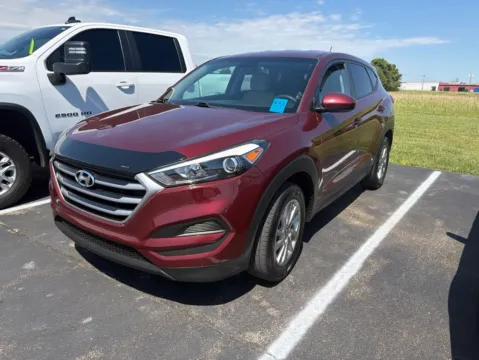
Then, evaluate model categories through the lens of your routine. Families who juggle car seats and errands might look at used suvs for sale for flexible seating and cargo space. Drivers hauling equipment or towing should explore used trucks for sale with the axle ratios and payload capacity that align with typical loads. Matching configuration to realistic duty cycles extends component life and stabilizes maintenance intervals across seasons.
Next, consider timing and market dynamics. Inventory rotates, and availability can shift with local trade-ins and auction cycles. If you’re searching phrases like used car dealership near me, track how similar models are listed over a few weeks to spot patterns. This approach helps you verify whether a price reflects condition and options rather than a momentary shortage. Patience can widen choices without forcing compromises.
After that, weigh dealership services that support long-term ownership. A car dealership offering routine maintenance scheduling, parts access, and guidance on service intervals can simplify life after the sale. Ask how they handle diagnostic visits and whether they provide transparent estimates. Establishing communication norms upfront reduces friction later, especially for complex repairs that require staging parts and phasing appointments around your calendar.
In practice, trade-in planning deserves early attention. Gather maintenance records, resolve minor issues, and clean the vehicle thoroughly to present it well. Document any accessories or extras that add tangible value. When offers arrive, align them against private sale expectations and the tax advantages of trading in, if applicable. The goal is not to chase the highest hypothetical price but to validate the net that best supports your upgrade.
Finally, close the loop with a delivery checklist. Verify keys, manuals, spare tire tools, and any promised items. Review the buyer’s order line by line, confirm lienholder details, and ensure titling information is accurate. Before leaving the lot, pair your phone, set driver profiles, and adjust safety settings. That last ten minutes anchors confidence, turning careful research into a smooth handoff and a more predictable ownership experience.